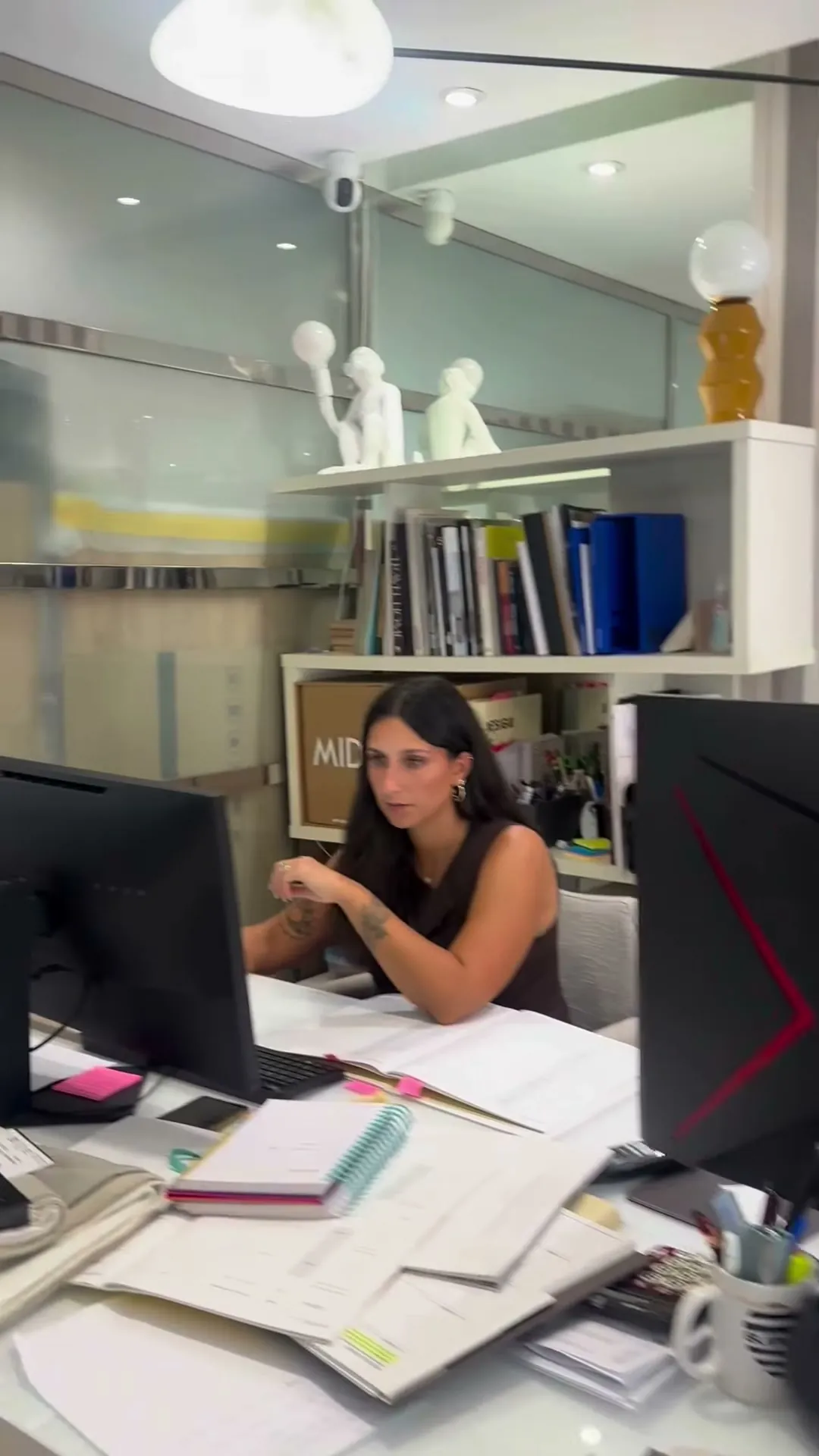
How it works, step by step
- First conversation by video call: what you are looking for, how you will use the home, timeline and budget.
- On-site survey: the team visits the home, takes measurements and photographs, and shares everything with you.
- Design: floor plans and 3D images sent by email, discussed by video call and adjusted until they are right.
- Choices: samples of fabrics, wallpaper and finishes sent to your address, with a list of pieces and references.
- Orders and deliveries: the team receives the pieces, oversees the assembly and sends progress photographs.
- Final handover: the home clean, tidy and ready, with the keys given to you or to whoever you choose.
Deciding from a distance without surprises
The biggest risk of furnishing from a distance is the piece that arrives and is not what you imagined. There are simple ways to avoid it.
3D images show the real scale of each piece of furniture in the space, which a catalogue photograph cannot do. Physical samples show the true colour and texture, which change a lot from one screen to another. And measurements checked on site avoid the sofa that will not fit through the door.
- Ask for photographs of the samples in natural light, in the home itself.
- Check the measurements of doors, stairs and lifts before ordering large pieces.
- Keep one list with each piece, reference, colour and quantity.
Decisions in stages
Making every decision at once is tiring and leads to mistakes. Splitting the work into blocks makes each approval clearer.
- First: the layout of the space and the pieces with long production times, such as made-to-measure sofas and fitted furniture.
- Next: the main furniture, such as beds, tables, chairs and storage.
- Finally: fabrics, curtains, decorative lighting, rugs and accessories, which add the finishing touch.
Deliveries, assembly and keys
When you are not on the island, someone has to open the door for each delivery. Agree in writing who keeps the keys, who can receive orders and at what times.
Ask for a photo record of each delivery and of the assembly. If something arrives damaged, photographs taken at the time help sort it out with the supplier or the carrier.
At the end, do a last walk-through by video call, room by room, before you consider the home handed over. It is the moment to note small adjustments, such as a picture to move or a lamp to fine-tune.
Madeira is in the same time zone as Lisbon and London, which makes calls easy from much of Europe.
The paperwork: the NIF
The NIF (tax number) is required for anyone, resident or not, who has tax obligations in Portugal, for example to buy a property. People living abroad can apply for it at a Serviço de Finanças (tax office) or through the e-balcão (online help desk) of the Portal das Finanças (tax portal), via a representative with power of attorney.
For residents of the European Union, Norway, Iceland or Liechtenstein, appointing a tax representative is optional. For residents of other countries, you may need to appoint one or, as an alternative, sign up for electronic notifications on the Portal das Finanças, depending on the case. Check your situation with a contabilista certificado (certified accountant) or with the tax office.
A team in Funchal from the first day to the last
Traço Elementar runs projects from its studio in Funchal, with meetings at the studio, online or at the client's home. The same studio designs, coordinates and dresses the home with pieces from the shop.
If you want to furnish a home in Madeira from abroad, book a first online meeting and send any floor plans or photographs you already have.
Sources
Related services